tapjewel

HOW DIAMONDS ARE GROWN

Grown,
not mined.

A lab-grown diamond is not a fake.

Spot the clues
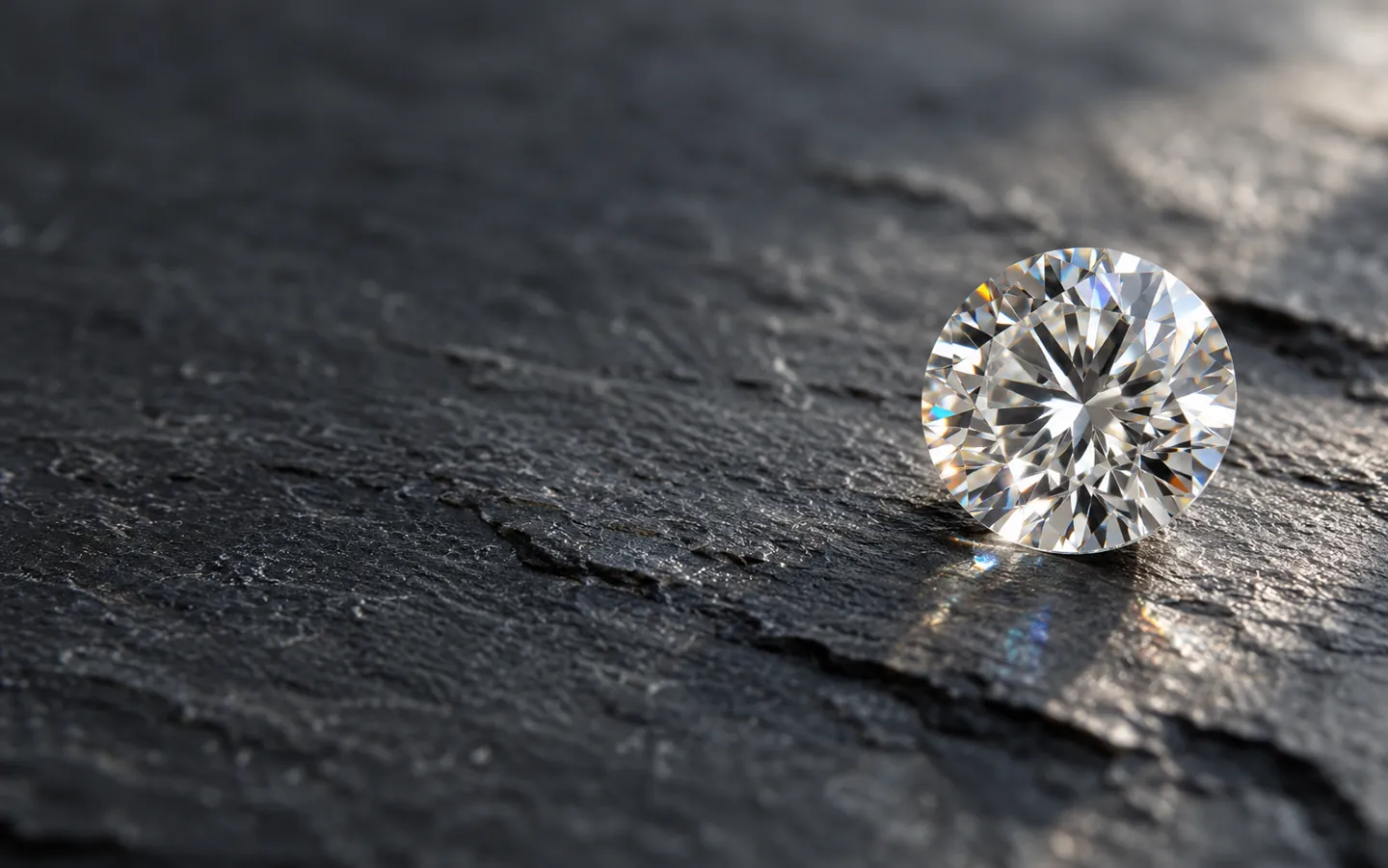
A single clear cut diamond resting on a dark slate surface in soft side light, with calm empty space beside it
AI-generated image, not a photograph of a real person or place.

SAME CARBONdifferent story

  • Real diamond, made fast
  • Two ways to grow
  • Labs read the clues
  • Lab diamonds in plain English

It has the same chemistry and crystal structure as a diamond from the ground, so it can look identical to the unaided eye. What gives it away is how it grew: tiny clues in its shape, glow and inclusions that gem laboratories read like a growth record.

Updated

THE SHORT ANSWER

Same stone,
made in weeks.

Three things worth knowing
about diamonds grown in a lab.

NOT A FAKE

Real diamond, not a lookalike

Lab-grown diamonds have chemical and physical properties that correspond very closely to natural ones. Cubic zirconia and moissanite only look like diamond and are easy for gemmologists to tell apart.

Grown two ways
THE GIVEAWAYS

How it grew leaves a trace

Growth leaves markers: metallic flux inclusions and cross-shaped glow patterns in press-grown stones, striped patterns and banded strain in gas-grown ones.

Spot the clues

SAY SO UPFRONT

UK ads must say lab-grown

In a May 2026 ruling the ASA said shoppers read 'diamond' on its own as a natural mineral, so ads for synthetic stones need a clear qualifier such as 'synthetic'.

Reading a label

HOW WOULD YOU SPOT IT?

From naked eye
to the lab bench.

Pick a test to see what it can reveal about a colourless diamond. The bar shows how much that test alone tends to tell you.

Based on GIA's guide to HPHT and CVD growth (Shigley, 2016) and the Gems & Gemology review of CVD diamonds (2016).

Diamond clue check

Choose a test
Looking with the naked eyeTells you little

Colourless CVD-grown diamonds can appear the same as natural diamonds to the unaided eye, which is why laboratory testing matters.

A magnifier or microscopeSometimes telling

Press-grown stones may hold black metallic flux inclusions, sometimes enough for a magnet to pick them up. Gas-grown stones lack these but may show dark pinpoints.

An ultraviolet lampA useful hint

Synthetic diamonds often glow more under short-wave than long-wave UV, the reverse of fluorescent natural stones, and a few keep glowing after the lamp goes off.

Crossed polarising filtersA strain pattern

Natural diamonds often show a bright crosshatched strain pattern from stress deep in the earth. CVD stones tend to show bands; HPHT stones show little or none.

Lab imaging and spectroscopyThe firm answer

Fluorescence imaging reveals growth patterns: concentric in natural diamond, cross-shaped in HPHT and striated in CVD. Labs combine many features, since no stone shows them all.

Sources: GIA, HPHT and CVD Diamond Growth Processes (2016); Gems & Gemology, Fall 2016. Not every lab-grown diamond shows every feature.

TWO NUMBERS WORTH KNOWING

A missing glow,
a hidden stone.

What one big lab review and one
small ring showed.

7%

Near-colourless CVD diamonds with measurable long-wave UV fluorescence

The rest showed none. An earlier study had found detectable fluorescence in 35% of natural diamonds in the same colour range, almost all of it blue.

UV GLOW · GEMS & GEMOLOGY 2016

1 in 100

Synthetic stone found among a ring's 100 tiny side diamonds

Each side stone was about 0.5 mm across. A screening device flagged one, which further tests showed was HPHT-grown, with a very high nickel content from the growth catalyst.

SIDE STONES · GEMS & GEMOLOGY 2017

Tiny diamonds called melee are traded in parcels of hundreds to thousands, so the hardest job is checking them in bulk. In one GIA screen of 359 small yellow diamonds, 14 were HPHT synthetics that looked the same as the rest.

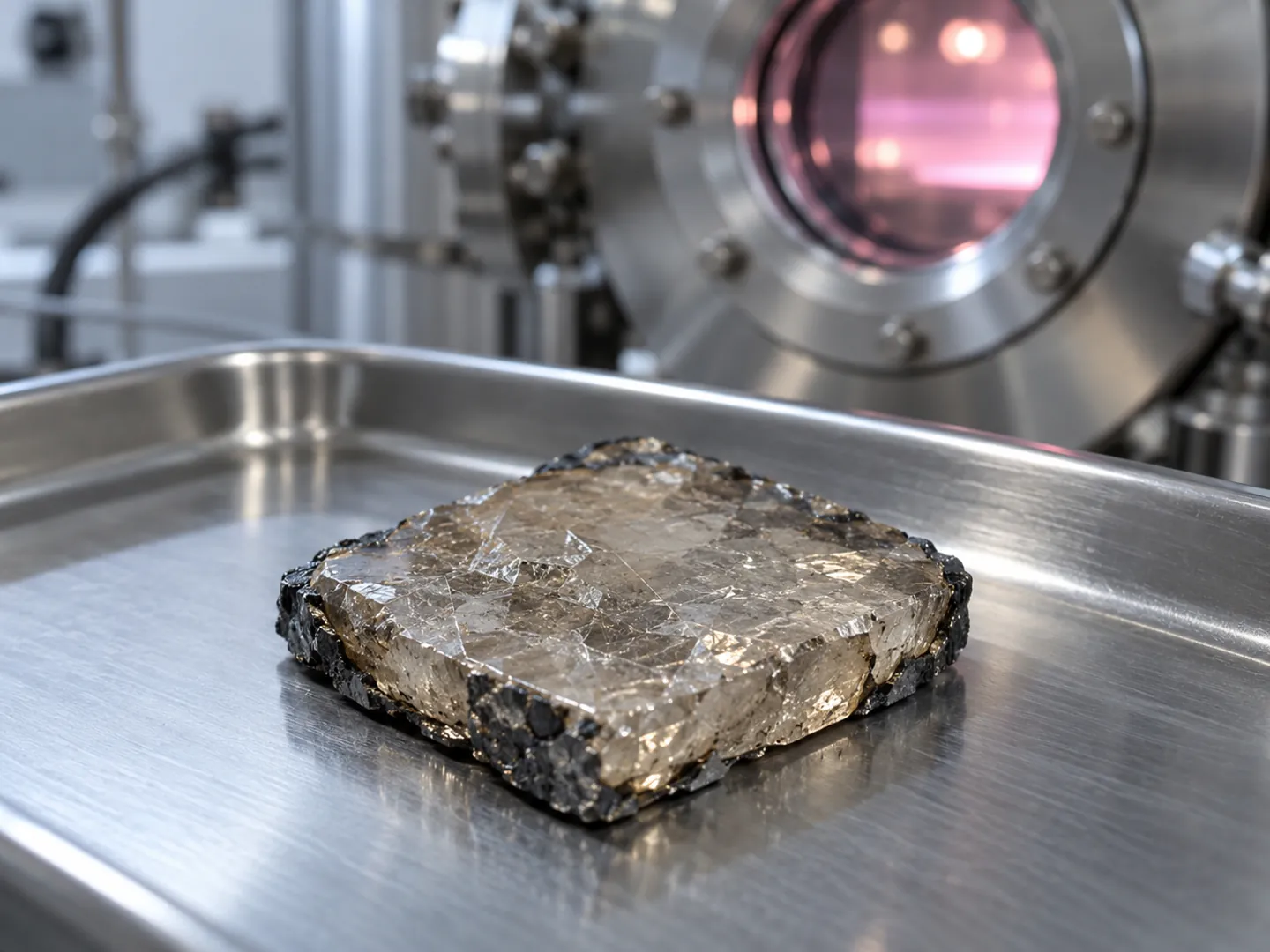
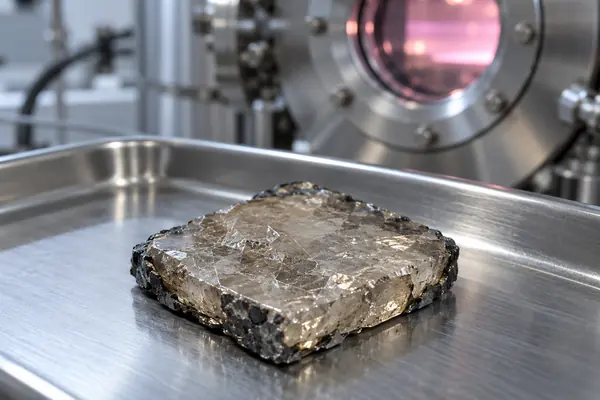
A rough, flat, square diamond crystal with a dark graphite edge lying on a laboratory tray beside a steel chamber
AI-generated image, not a photograph of a real person or place.

READING A DESCRIPTION

What the words
should tell you.

Because lab-grown and natural diamonds can look the same, the description matters. These points come from the ASA ruling and GIA's guidance.

  1. Look for the qualifier

    UK guidance from the National Association of Jewellers says synthetic diamonds should be described as 'synthetic', 'laboratory-grown' or 'laboratory-created'.

  2. It should be upfront

    The ASA found that putting the information only on the website was not enough: ads must make clear a stone is synthetic.

  3. Simulant is different

    Cubic zirconia and moissanite imitate diamond but are different materials. A lab-grown diamond is diamond.

  4. Check for a lab report

    GIA notes that some synthetic diamonds carry a laser inscription on the girdle and that a lab report is the way to be certain.

TWO WAYS TO GROW A DIAMOND

A press,
or a glowing gas.

The older method, high pressure high temperature (HPHT), mimics the deep earth: a seed crystal sits in a press heated to 1,300 to 1,600 °C at over 870,000 pounds per square inch, where molten metal such as iron, nickel or cobalt dissolves carbon that then crystallises on the seed over days to weeks.

Chemical vapour deposition (CVD) fills a vacuum chamber with a carbon-containing gas such as methane, heated to about 900 to 1,200 °C. Microwaves break the gas apart and carbon settles layer by layer on flat diamond seeds. A batch takes three or four weeks, with stops to polish away non-diamond carbon, and the flat crystals come out edged in black graphite.

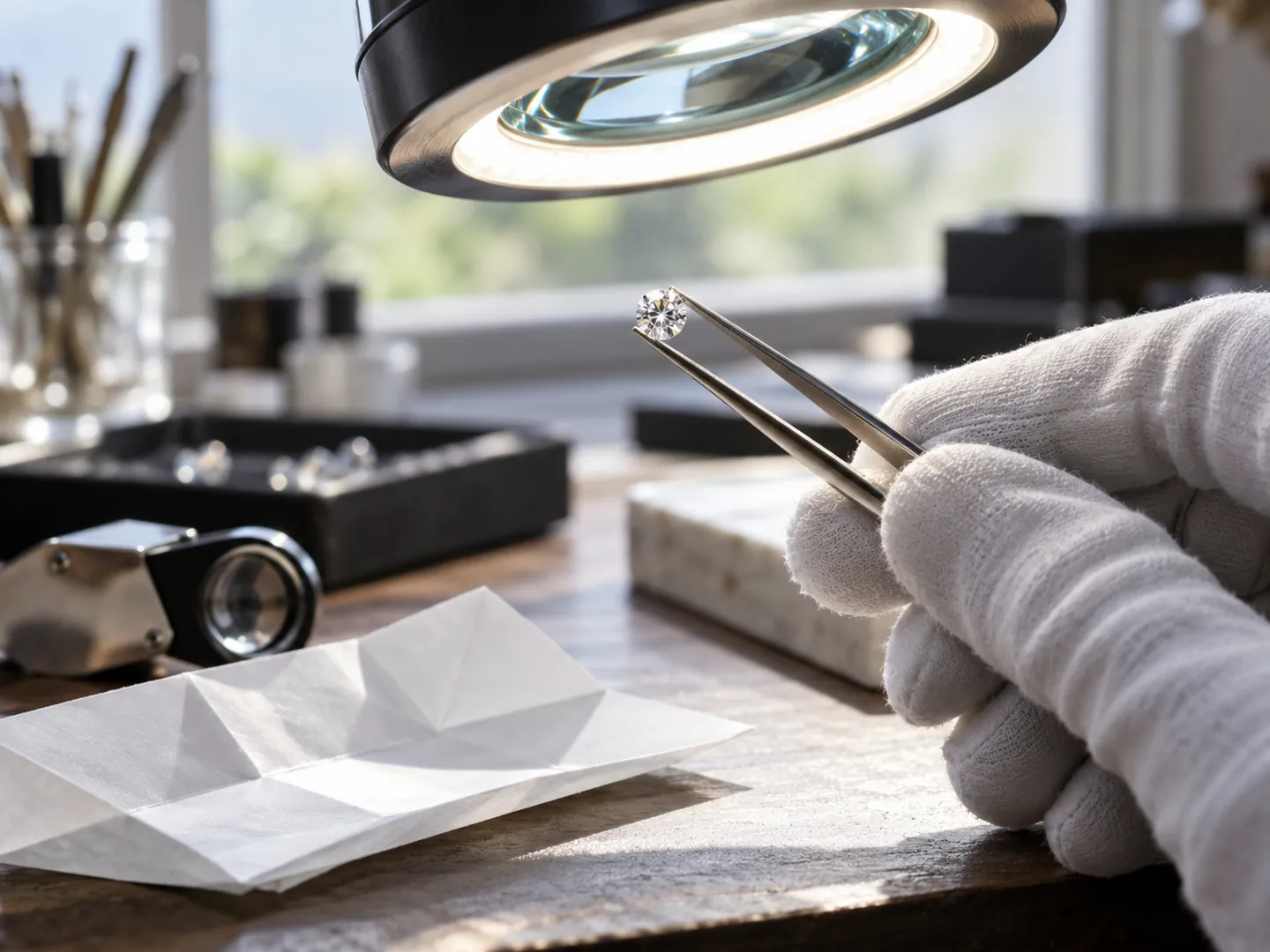
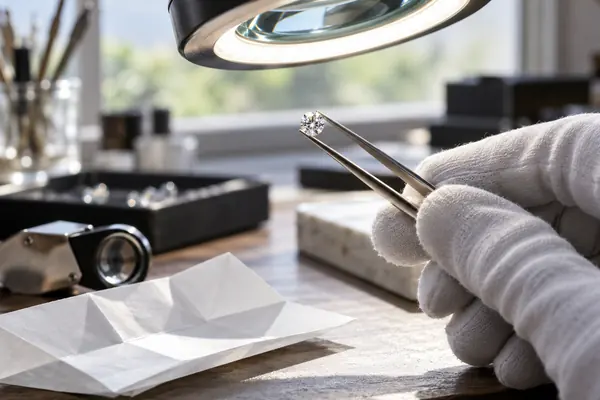
A gemmologist's gloved hand holding a small loose diamond in tweezers under a magnifying lamp at a workbench
AI-generated image, not a photograph of a real person or place.

Questions

Questions people ask

Is a lab-grown diamond a real diamond?

Yes. GIA says its chemical and physical properties correspond very closely to those of natural diamond. Calling it an imitation is incorrect: imitations such as cubic zirconia are different materials.

When were diamonds first grown in a lab?

According to GIA, scientists first grew diamonds in the mid-1950s, too small for jewellery. Gem-quality crystals followed from the mid-1990s.

Can a jeweller tell them apart by eye?

Usually not. Colourless CVD-grown diamonds can look the same as natural ones to the unaided eye. Some can be recognised with standard gem-testing equipment; others need advanced laboratory instruments.

Why are some lab diamonds magnetic?

Press-grown (HPHT) diamonds grow in molten metal such as iron, nickel or cobalt. Bits of that metal can be trapped inside, and stones with larger metallic inclusions can sometimes be picked up with a magnet.

Do UK ads have to say a diamond is lab-grown?

In a May 2026 ruling the ASA said ads for synthetic diamonds must not use 'diamond' on its own without a clear, prominent qualifier such as 'synthetic' or wording of the same meaning.

ABOUT THIS NAME

Interested in leasing tapjewel.com?

tapjewel.com is part of the DoodleSale portfolio. It isn't in an auction right now, but you can ask about leasing it.

Ask about this name